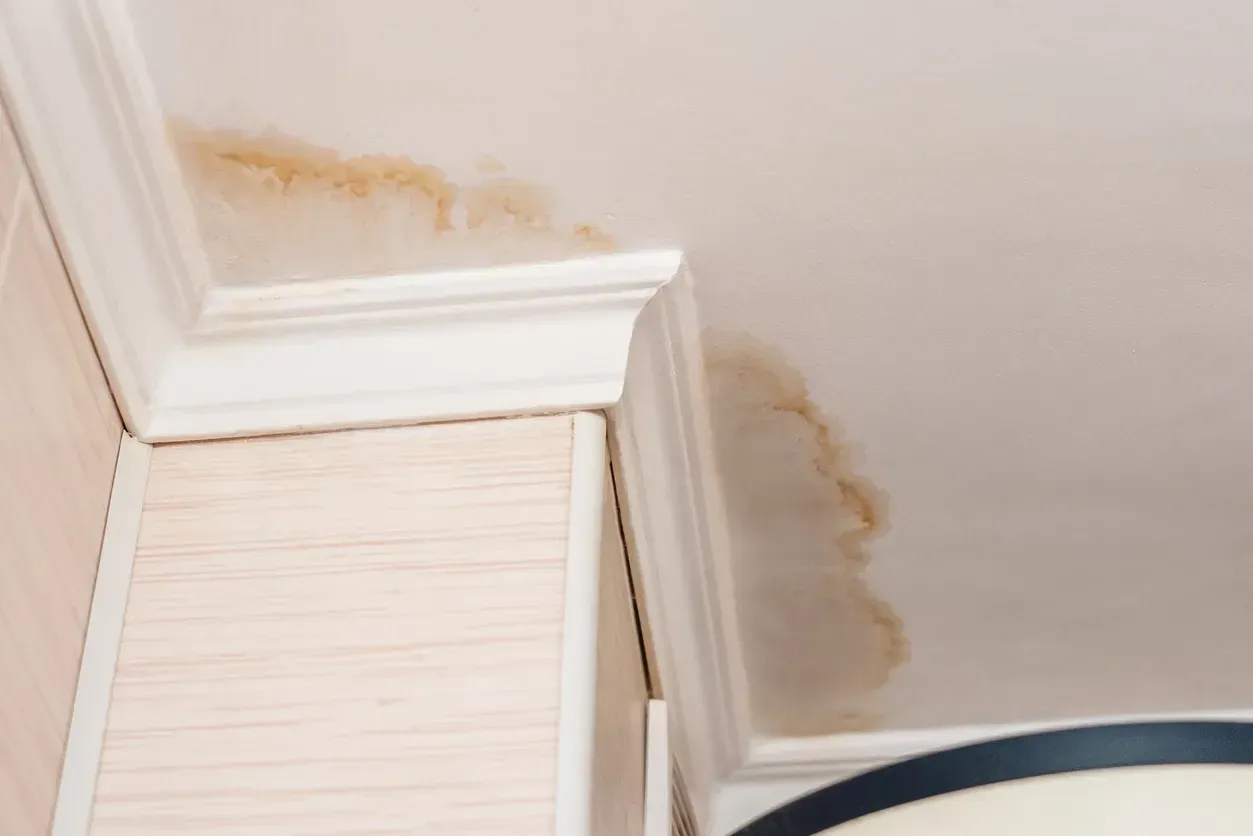
How to Identify Water-Damaged Drywall
Water damage is a common issue in homes that can lead to serious structural problems if not addressed promptly. Identifying water-damaged drywall early is crucial for effective repairs and maintaining a safe living environment. In this guide, we will explore how to recognize the signs of water damage in drywall, the causes, and the steps you can take to assess the damage.
Signs of Water-Damaged Drywall
- Discoloration: Look for yellow, brown, or dark spots on the drywall.
- Bubbling or Blistering: Peeling paint or wallpaper is a common indicator.
- Softness: Pressing on the drywall may reveal a spongy texture.
- Mold Growth: Visible mold or mildew can be a sign of prolonged moisture.
- Warping: Drywall may bulge or bend away from the wall.
Common Causes of Water Damage
- Leaking Pipes: Plumbing issues can lead to water accumulation behind walls.
- Roof Leaks: Damaged roofing can allow rainwater to seep into the structure.
- High Humidity: Excess moisture in the air can condense on walls.
- Flooding: Heavy rain or natural disasters can inundate homes.
- Appliance Malfunctions: Broken refrigerators, washing machines, or air conditioners can cause leaks.
How to Inspect for Water Damage
Inspecting your drywall for water damage involves a thorough examination of both visible and hidden areas. Here are steps to guide your inspection:
- Start in Moisture-Prone Areas: Focus on bathrooms, kitchens, and basements.
- Check for Odors: Musty smells can indicate mold growth behind drywall.
- Use a Moisture Meter: This tool can help detect hidden moisture levels.
- Look for Cracks: Any cracks in the drywall can be a pathway for water.
- Inspect Attics and Crawl Spaces: These areas can harbor leaks that affect walls.
When to Call a Professional
If you notice significant signs of water damage or if the damage appears extensive, it is advisable to call a professional. A Drywall Patch Repair LLC can provide expert assessment and repair services to restore your drywall effectively.
Preventing Water Damage in Drywall
Preventing water damage is key to maintaining the integrity of your home's drywall. Consider these preventive measures:
- Maintain Gutters: Regularly clean and inspect gutters to ensure proper water flow.
- Seal Windows and Doors: Use caulking to prevent leaks around frames.
- Install Vapor Barriers: These can help reduce moisture in humid areas.
- Regular Checks: Perform routine inspections of plumbing and roofing.
- Fix Leaks Promptly: Address any leaks in pipes or fixtures immediately.
Conclusion
Identifying and addressing water-damaged drywall is essential for the health and safety of your home. By recognizing the signs early, understanding common causes, and conducting regular inspections, you can protect your property from serious damage. If you suspect water damage, don't hesitate to contact professionals like A Drywall Patch Repair LLC for thorough inspections and repairs to restore your home to its best condition.