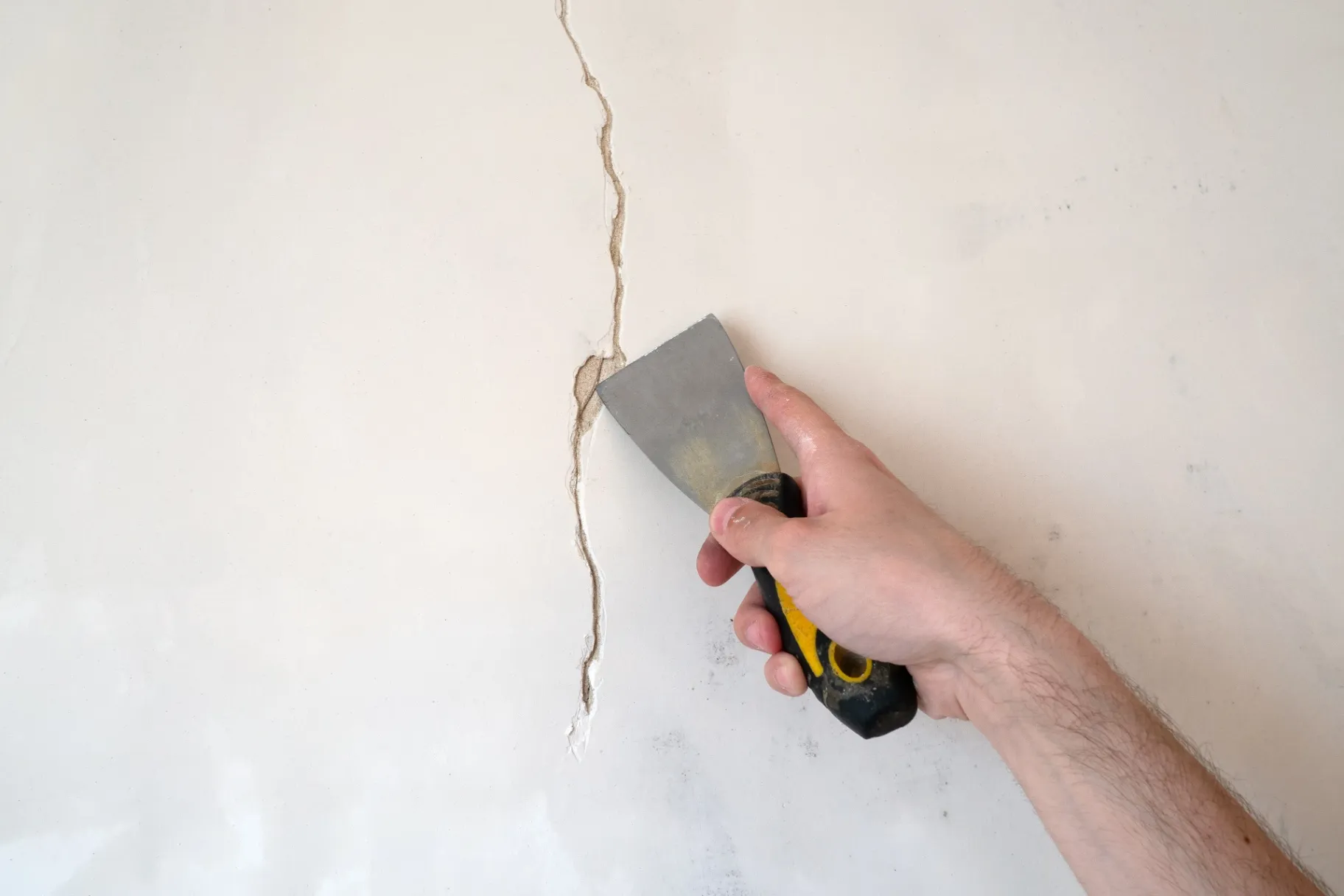
Top 5 Tips for Small Hole & Crack Repairs
When it comes to maintaining the appearance and integrity of your walls, knowing how to effectively repair small holes and cracks in drywall is essential. Whether you're preparing for a fresh coat of paint or simply want to fix some unsightly blemishes, these repairs can often be done quickly and easily. In this article, we will explore the top five tips for small hole and crack repairs that every homeowner should know.
1. Assess the Damage
Before you begin any repair work, it's crucial to assess the damage. Take a close look at the size and type of hole or crack in your drywall.
- Small holes (e.g., from nails or screws) usually require minimal repair.
- Larger holes may need patching materials.
- Cracks can indicate underlying issues, so check for structural problems.
2. Gather Your Tools and Materials
Having the right tools and materials on hand can make the repair process smoother and more efficient. Here’s what you’ll need:
- Spackling compound or joint compound
- Putty knife
- Sandpaper (medium and fine grit)
- Primer and paint
- Dust mask and safety goggles
3. Prepare the Area
Before you start the repair, it's important to prepare the area properly. This step will ensure that the repair is effective and blends seamlessly with the rest of the wall.
- Clean the area around the hole or crack to remove dust and debris.
- If necessary, widen the crack slightly with a utility knife to create a better surface for the patching material to adhere to.
- Apply painter's tape around the repair area to protect adjacent surfaces.
4. Apply the Repair Material
Once the area is prepared, it's time to apply the repair material. Follow these steps for best results:
- Using a putty knife, apply the spackling or joint compound over the hole or crack.
- For larger holes, press a piece of drywall mesh tape over the area before applying the compound.
- Smooth the compound with the putty knife, feathering the edges to blend with the surrounding wall.
5. Sand and Finish
After the compound has dried (check the manufacturer's instructions for drying times), you’ll want to sand the area to create a smooth finish.
- Start with medium-grit sandpaper to level the surface.
- Follow up with fine-grit sandpaper for a smooth finish.
- Wipe the area with a damp cloth to remove dust before painting.
Conclusion
Repairing small holes and cracks in your drywall can greatly improve the look of your home. By following these five tips, you'll be well-equipped to tackle minor repairs on your own. Remember to assess the damage, gather your tools, prepare the area, apply your repair material carefully, and finish with sanding and painting. With a little effort, you can restore your walls to their former glory!