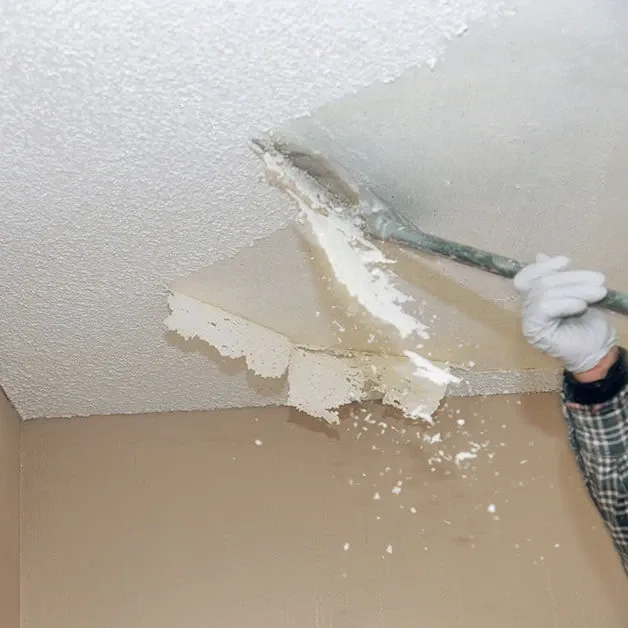
The Ultimate Guide to Popcorn Ceiling Removal
Popcorn ceilings, once a popular choice for home decor, have fallen out of favor due to their outdated appearance and difficulty in maintenance. If you’re considering removing your popcorn ceiling, this guide will provide you with everything you need to know about the process, benefits, and tips for a successful renovation.
What is a Popcorn Ceiling?
A popcorn ceiling, also known as an acoustic ceiling, is a textured ceiling treatment that was widely used in homes from the 1950s to the 1980s. The texture is created by spraying a mixture of paint and Styrofoam or polystyrene onto the ceiling surface, resulting in a bumpy appearance.
Reasons to Remove Popcorn Ceilings
- Outdated appearance
- Difficult to clean and maintain
- Can trap dust and allergens
- Potential for asbestos in older homes
- Increases home value with modern finishes
How to Determine if Your Popcorn Ceiling Contains Asbestos
Before undertaking removal, it’s crucial to check if your popcorn ceiling contains asbestos, particularly if your home was built before the 1980s. Here are steps to determine asbestos presence:
- Check the home’s construction date.
- Look for manufacturer’s labels on the ceiling material.
- Consider hiring a professional asbestos inspector for testing.
DIY vs. Hiring a Professional
Deciding whether to remove the popcorn ceiling yourself or hire a professional can depend on several factors, including your comfort level with home improvement projects and the potential risks involved. Here’s a breakdown:
DIY Removal
- Lower costs if you have the skills and tools.
- Complete control over the project timeline.
- Satisfaction of completing the job yourself.
Professional Removal
- More efficient and quicker process.
- Less risk of damage to your home.
- Expertise in handling potential asbestos.
Step-by-Step Guide to Removing Popcorn Ceilings
If you decide to tackle the removal yourself, follow these steps for a safe and effective process:
- 1. Prepare the room: Remove furniture and cover the floors with drop cloths.
- 2. Turn off the power to the room and remove light fixtures.
- 3. Test for asbestos if your ceiling is older than 1980.
- 4. Wet the ceiling: Spray sections with water to soften the texture.
- 5. Scrape away the popcorn texture using a putty knife.
- 6. Repair any damage to the ceiling surface and sand it smooth.
- 7. Prime and paint the ceiling to your desired finish.
Tips for a Successful Ceiling Repair
To ensure the best results when removing and repairing your ceiling, consider these tips:
- Work in small sections to avoid having the surface dry too quickly.
- Use a wide putty knife to make scraping easier.
- Be mindful of the mess; wetting the ceiling can create a lot of debris.
- Wear protective gear, such as goggles and a dust mask, to safeguard against dust and debris.
After the Removal: Repairing and Finishing Your Ceiling
Once the popcorn texture is removed, you’ll need to repair and finish your ceiling for a clean, modern look. Here’s what to do next:
- Fill in any holes or imperfections with joint compound.
- Sand the surface smooth once the compound dries.
- Apply a coat of primer to prepare for painting.
- Choose a ceiling paint that complements your room's decor.
Conclusion
Removing a popcorn ceiling can significantly enhance the aesthetic of your home and increase its value. Whether you choose to do it yourself or hire a professional, understanding the process and preparation needed will help ensure a successful renovation. For any ceiling repair needs, consider reaching out to professionals like A Drywall Patch Repair LLC for assistance and expert advice.