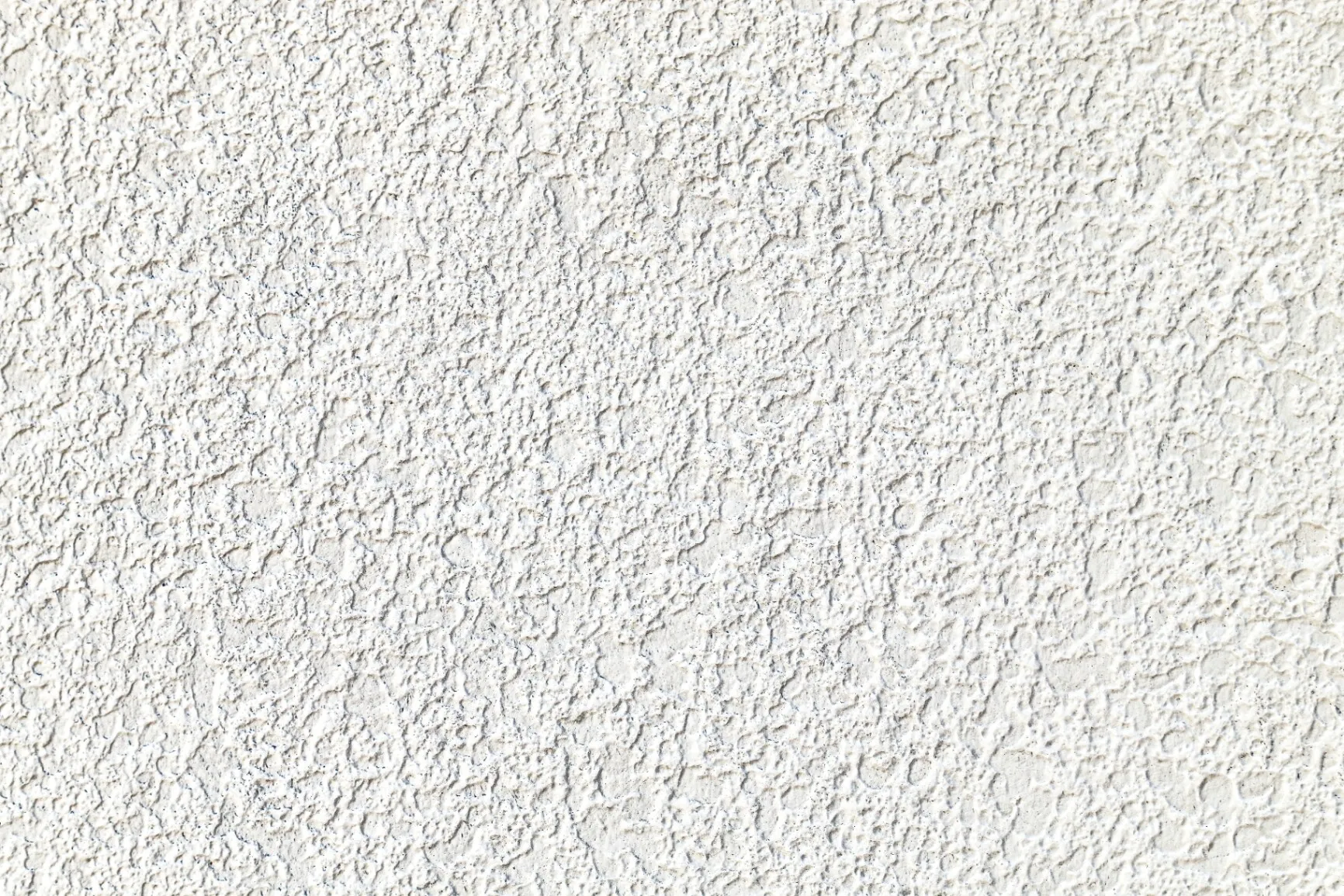
Textured Walls: When to Repair or Replace
Textured walls can add character and depth to any interior space, but they also come with their own set of challenges. Understanding when to repair or replace textured walls is crucial for maintaining your home's aesthetic and structural integrity. This guide will help you determine the best course of action for your textured walls.
Understanding Textured Walls
Textured walls are finished surfaces that incorporate various textures, patterns, and styles. They can include techniques such as knockdown, popcorn, or slap brush. While these designs are popular for their visual appeal, they can also hide imperfections in the drywall beneath.
Common Types of Textured Walls
- Popcorn Texture
- Knockdown Texture
- Slap Brush Texture
- Stomp Texture
- Sand Texture
Signs You Need to Repair Your Textured Walls
Identifying when your textured walls require repair can save you time and money. Here are some signs to look for:
- Visible cracks or chips in the texture
- Water stains or damage from leaks
- Deteriorating material or peeling paint
- Mold or mildew growth
- Inconsistent texture pattern
When to Consider Replacement
In some cases, repairing textured walls may not be enough. Here are scenarios where replacement may be the better option:
- Extensive water damage affecting structural integrity
- Severe mold infestation that can't be eradicated
- Outdated texture styles that clash with modern design
- Repeated damage from impacts or wear and tear
- Significant mismatching between sections of wall
DIY vs. Professional Help
Deciding whether to tackle repairs or replacements yourself or to hire a professional can significantly impact the outcome of your project. Consider the following factors:
When to DIY
- Minor repairs or touch-ups
- Small areas of damage that can be easily patched
- Painting over old textures with a new color
- Simple texture matching with ready-mixed compounds
When to Hire a Professional
- Major repairs involving significant structural issues
- Complete wall replacement due to extensive damage
- Complex texture styles requiring professional skill
- Safety concerns related to mold removal or heavy lifting
The Repair Process
If you've determined that repairs are necessary, here’s a brief overview of the process:
- Assess the damage and decide on the best repair method.
- Gather necessary materials such as patching compound, tools, and safety gear.
- Prepare the area by cleaning and protecting surrounding surfaces.
- Apply the repair compound and texture to match existing walls.
- Allow for proper drying time and finish with paint if desired.
Conclusion
Textured walls can enhance the beauty of your home, but they require careful consideration when it comes to repairs and replacements. By understanding the signs of damage and knowing when to seek professional help, you can maintain the integrity and aesthetic of your interior spaces. Whether you choose to repair or replace, staying informed will help you make the best decision for your home.