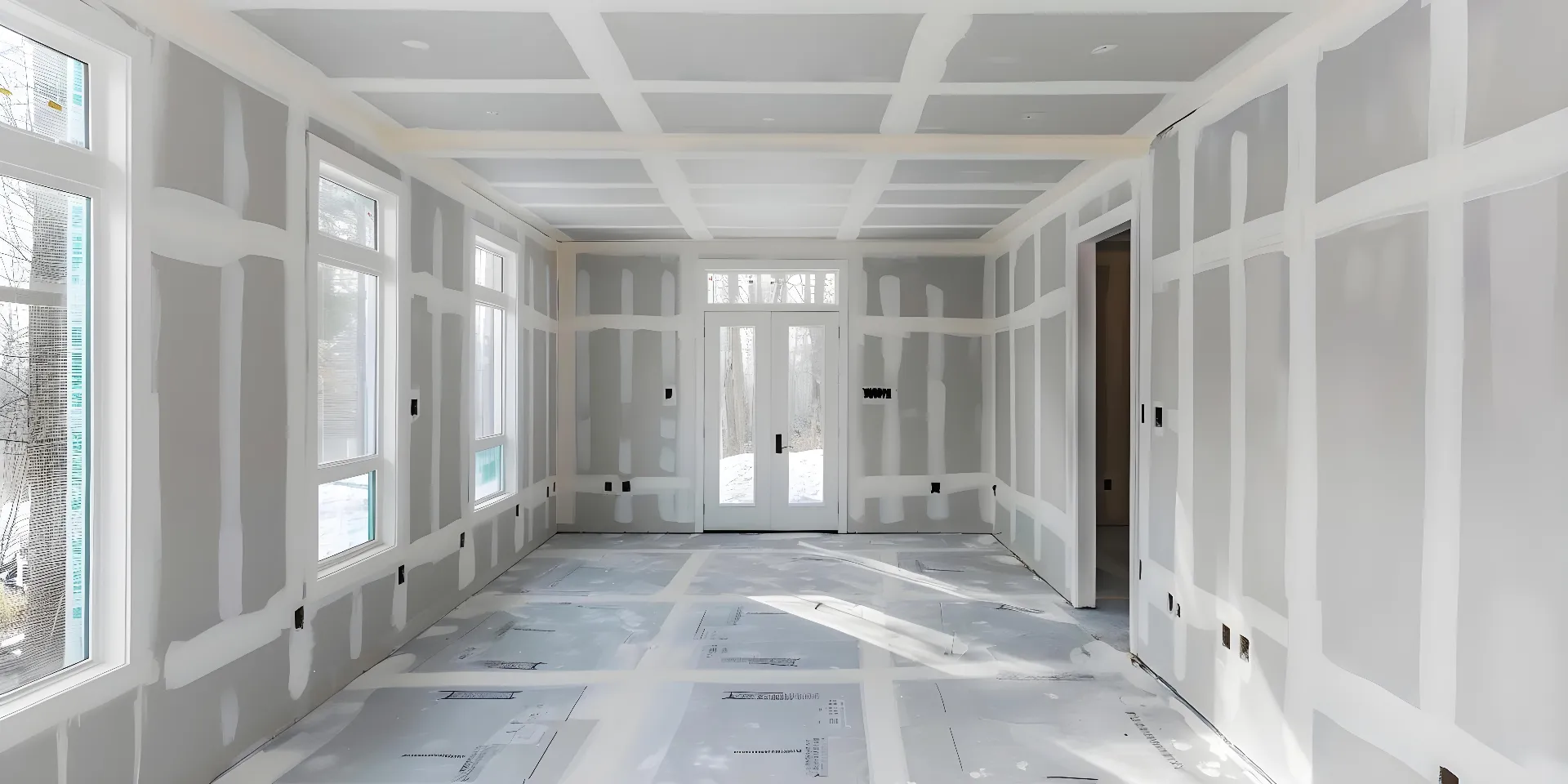
When to Consider Drywall Repair & Reinstallation
Drywall is a vital component of your home’s interior, providing structure and insulation. However, wear and tear, water damage, or even a poorly executed renovation can necessitate drywall repair or reinstallation. In this blog post, we’ll explore the key signs that indicate when you should consider repair or reinstallation of drywall, along with helpful tips for making the right decision.
Signs You Need Drywall Repair
- Visible cracks or holes in the drywall
- Water stains or discoloration indicative of leaks
- Bubbling or peeling paint or wallpaper
- Uneven surfaces that disrupt aesthetics
- Persistent mold or mildew presence
Identifying these signs early can save you from more extensive damage and higher repair costs down the line. If you notice any of these issues, it’s essential to address them promptly.
When to Opt for Drywall Reinstallation
While minor damages can often be repaired, there are situations where reinstallation may be the best course of action. Here are some scenarios to consider:
- Extensive water damage that has compromised structural integrity
- Widespread mold infestation that cannot be effectively treated
- Significant damage from pests, such as termites or rodents
- Old drywall that doesn’t meet current building codes
- Major renovations that require a complete overhaul of existing drywall
Benefits of Drywall Reinstallation
Choosing to reinstall drywall rather than simply repairing it has several advantages:
- Improved insulation and energy efficiency
- Enhanced aesthetic appeal with new, smooth surfaces
- Increased home value with compliant building standards
- Elimination of hidden problems that repairs cannot address
Repair Tips for DIY Enthusiasts
If you decide to tackle drywall repairs yourself, here are some essential tips to ensure a successful job:
- Use a high-quality patching compound for small holes and cracks.
- Sand the repaired area smoothly to blend with the surrounding surface.
- Prime and paint the repaired area to match the rest of the wall.
- Ensure proper ventilation if you’re working with adhesives or compounds.
- Consider wearing safety gear such as gloves and a mask during the process.
Tools You Might Need
- Drywall saw
- Tape measure
- Putty knife
- Sandpaper or sanding block
- Drywall primer and paint
When to Call a Professional
While DIY repairs can be satisfying and cost-effective, some situations are best left to professionals. Consider hiring a contractor when:
- The damage is extensive and requires structural repairs.
- You are uncomfortable with the tools or techniques needed.
- The project exceeds your skill level or time constraints.
- You need to comply with building codes and permit requirements.
Choosing the Right Contractor
If you decide to hire a professional, keep these tips in mind for selecting the right contractor:
- Check for licenses and insurance.
- Read reviews and request references.
- Get multiple quotes to compare pricing.
- Ask about warranties on workmanship and materials.
- Ensure clear communication about your project needs and budget.
Conclusion
Drywall repair and reinstallation are crucial aspects of maintaining your home’s interior. By understanding the signs that indicate when to repair or replace drywall, along with the proper techniques and when to call in a professional, you can ensure your home remains safe, attractive, and up to code. For any drywall-related needs, A Drywall Patch Repair LLC is here to help with expert services tailored to your requirements.