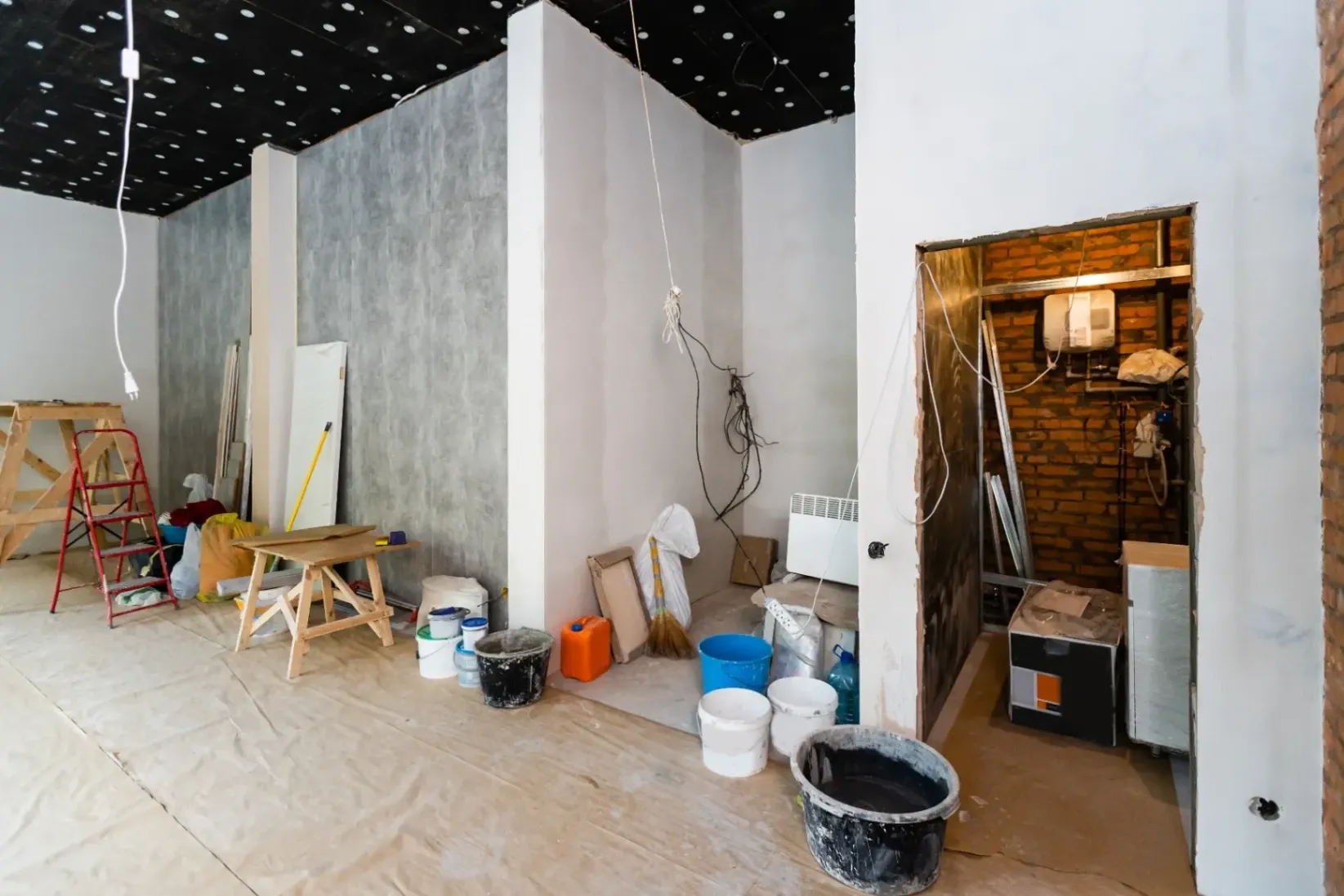
Choosing the Right Drywall for Your Project
When it comes to home renovation, selecting the right drywall is crucial to the success of your project. Whether you're repairing small holes, addressing water damage, or renovating an entire room, understanding the different types of drywall available can help you make an informed decision.
Understanding Drywall Types
Drywall, also known as gypsum board, comes in various types, each designed for specific applications. Here’s a breakdown of the most common types of drywall:
- Standard Drywall: The most common type used in general construction.
- Moisture-Resistant Drywall: Ideal for areas prone to moisture, such as bathrooms and kitchens.
- Fire-Resistant Drywall: Used in areas where fire safety is a concern, such as garages and furnace rooms.
- Soundproof Drywall: Designed to reduce noise transmission between rooms.
- Flexible Drywall: Perfect for curved walls or ceilings.
Factors to Consider When Choosing Drywall
Selecting the right drywall involves considering various factors that will impact both the installation process and the long-term performance of your walls. Here are key considerations:
- Location: Different rooms have different needs. For example, moisture-resistant drywall is essential in bathrooms.
- Thickness: Thicker sheets offer better soundproofing and durability, while thinner sheets are lighter and easier to handle.
- Finish: Consider whether you need a smooth finish or a textured look, which may affect the type of drywall and installation method.
- Budget: Higher quality drywall may cost more initially but can save money in repairs and maintenance over time.
Common Drywall Applications
Different types of drywall serve various applications. Understanding where each type is best suited can simplify your renovation process.
- Residential Construction: Standard drywall is typically used in living rooms, bedrooms, and hallways.
- Commercial Spaces: Fire-resistant and soundproof drywall are more commonly used in office buildings and schools.
- Wet Areas: Moisture-resistant drywall is essential for kitchens, bathrooms, and basements to prevent mold growth.
- Creative Designs: Flexible drywall can be used for innovative architectural designs and curved walls.
The Installation Process
Proper installation is key to ensuring the longevity and effectiveness of drywall. Here are the general steps involved in the installation process:
- Preparation: Clear the area and ensure that the studs are properly spaced.
- Cutting: Measure and cut drywall sheets to fit the designated space.
- Hanging: Secure the drywall to the studs using screws or nails.
- Taping: Apply joint tape to the seams to prevent cracking.
- Finishing: Apply joint compound and sand for a smooth finish.
Why Choose A Drywall Patch Repair LLC?
At A Drywall Patch Repair LLC, we specialize in all aspects of drywall repair and installation. Our services include:
- Small Hole & Crack Repairs: Quick fixes for minor damages.
- Water-Damaged Drywall: Repair and replacement services to restore affected areas.
- Textured Wall Finishes: Professional application of various textures.
- Popcorn Ceiling Removal: Transform your ceilings with modern finishes.
- Drywall Repair & Reinstallation: Comprehensive services for complete drywall restoration.
- Interior Painting: Enhance your space with a fresh coat of paint.
Conclusion
Choosing the right drywall is essential for the success of your renovation project. By understanding the different types of drywall, their applications, and the installation process, you can make informed decisions that will ensure the durability and aesthetics of your home. If you’re considering a drywall project, contact A Drywall Patch Repair LLC for expert advice and professional service.