Repairing Water-Damaged Drywall: Step-by-Step Guide
Water damage can wreak havoc on your walls, leading to unsightly stains, mold growth, and structural issues. This guide from A Drywall Patch Repair LLC will walk you through the process of repairing water-damaged drywall, ensuring your home stays safe and aesthetically pleasing.
Understanding Water Damage
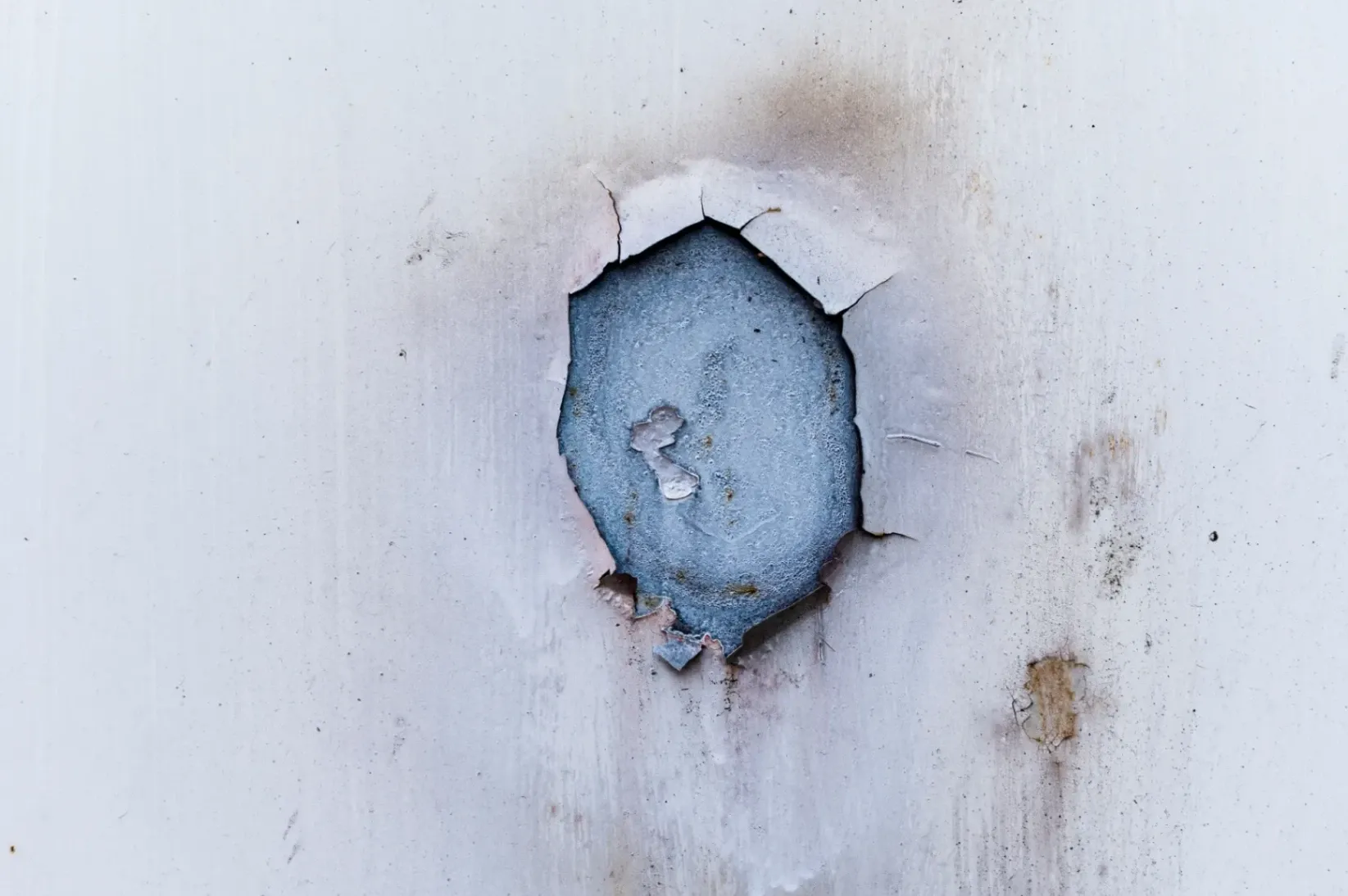
Water damage occurs when moisture seeps into your drywall, often resulting from leaks, flooding, or high humidity. Identifying the source of the water is crucial to prevent future damage. Typical signs of water damage include: - Discoloration or staining on the walls - Peeling or bubbling paint - Warping or sagging drywall - A musty odor in the affected area.
Safety First: Preparing for Repair
Before starting any repair work, take essential safety precautions. This includes: - Wearing gloves and a mask to protect against mold spores. - Ensuring the area is well-ventilated. - Turning off electricity in the affected area if there is a risk of exposed wiring.
Step-by-Step Water Damage Repair Process
Step 1: Assess the Damage
Examine the extent of the water damage. If the drywall is soft, crumbling, or shows significant mold growth, it may need to be replaced. For minor damage, repairs might suffice.
Step 2: Remove Damaged Drywall
Using a utility knife, carefully cut away the damaged section of drywall. Make sure you cut at least 12 inches beyond the visible damage to ensure you remove all affected material.
Step 3: Install New Drywall
Measure and cut a new piece of drywall to fit the hole. Secure it in place using drywall screws. Be sure to tape and mud the seams to create a smooth finish.
Step 4: Texture and Finish
If your existing walls have a texture, replicate this on the new drywall. Once dry, sand the area to ensure a seamless blend with the surrounding wall.
Step 5: Painting
Once the texture and joint compound are completely dry, paint over the repaired area to match the rest of your wall. This not only improves aesthetics but also provides an extra layer of protection against moisture.
When to Call a Professional
While DIY repairs can be effective for minor water damage, certain situations call for professional intervention. Contact A Drywall Patch Repair LLC if you encounter: - Extensive water damage that compromises structural integrity. - Persistent mold growth despite your efforts. - Difficulty in locating the source of the water damage.
Preventing Future Water Damage
To prevent future water damage, consider these proactive measures: - Regularly inspect your plumbing for leaks. - Ensure proper drainage away from your home’s foundation. - Use a dehumidifier in areas prone to high humidity.
Conclusion
Repairing water-damaged drywall can seem daunting, but with the right tools and guidance, it’s entirely manageable. For more extensive repairs or to ensure a professional finish, reach out to A Drywall Patch Repair LLC. Our team is equipped to handle all drywall repair needs, from small hole and crack repairs to complete reinstallation.